What Is Freezer Burn?
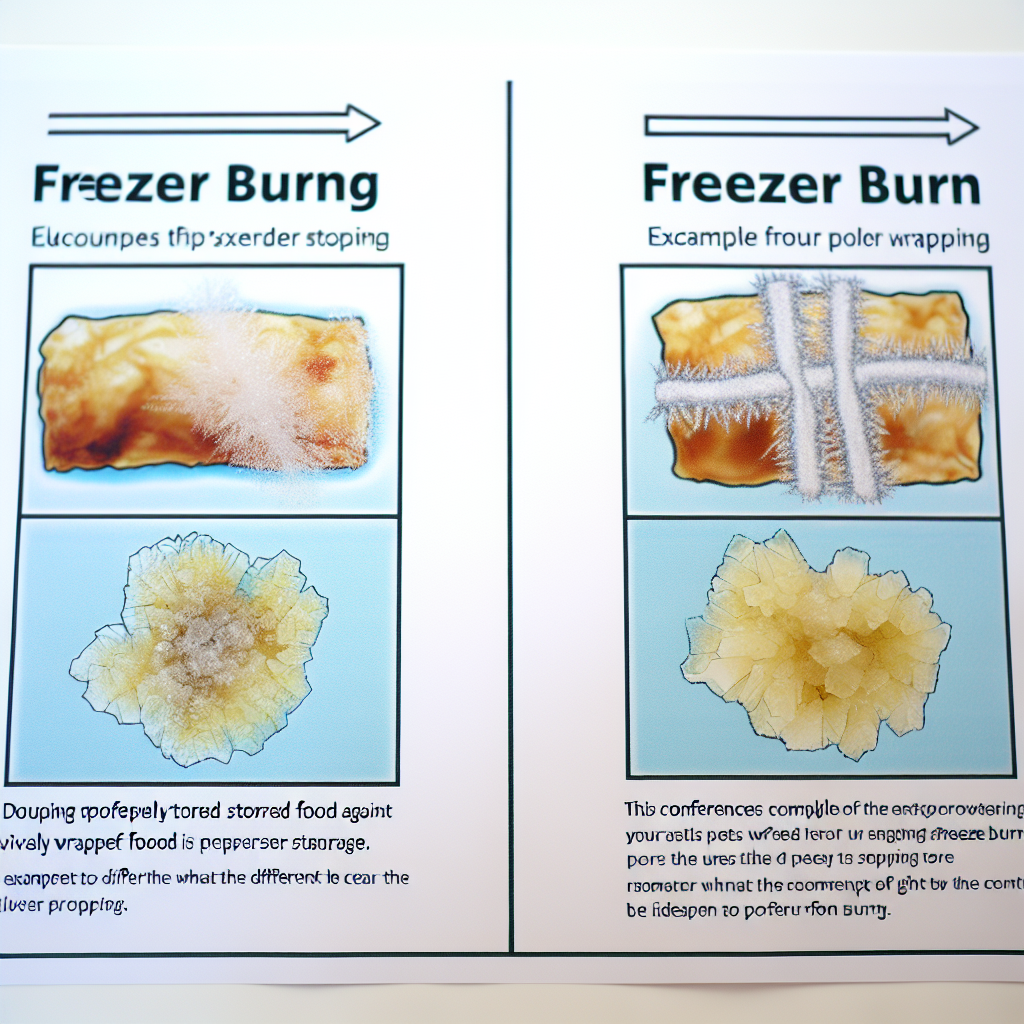
Freezer burn occurs when air reaches the surface of frozen food, causing dehydration and oxidation. The result is dry, discolored patches that affect texture and taste, though the food remains safe to eat.
Freezer burn is entirely preventable with proper packaging and storage techniques.
Prevention Techniques
Remove all air: The primary cause of freezer burn is air contact. Squeeze out excess air from bags before sealing. Use vacuum sealers for best results.
Wrap properly: Use freezer-specific materials designed to withstand low temperatures. Regular plastic wrap isn't sufficient for long-term storage.
Double wrap items: For extended storage, use two layers of protection. Wrap in plastic, then place in a freezer bag or container.
Use appropriate containers: Choose containers that closely match the volume of food to minimize air space.
Best Wrapping Materials
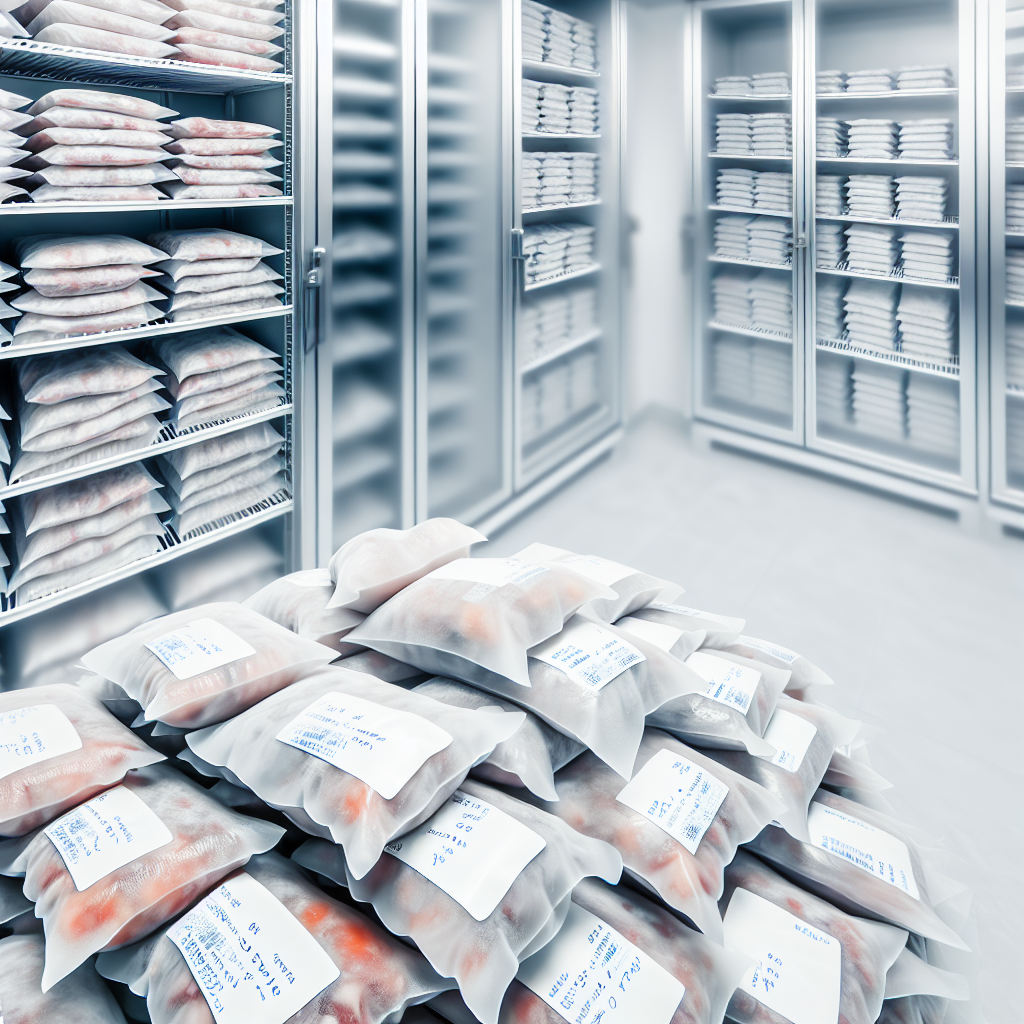
Heavy-duty freezer bags: Designed specifically for freezer conditions. Much thicker than regular storage bags.
Vacuum seal bags: Removes all air for maximum protection. Ideal for long-term storage of meats and prepared meals.
Freezer paper: Plastic-coated paper designed for freezer use. Excellent for wrapping meats.
Heavy-duty aluminum foil: Creates a moisture barrier. Good for wrapping irregular shapes.
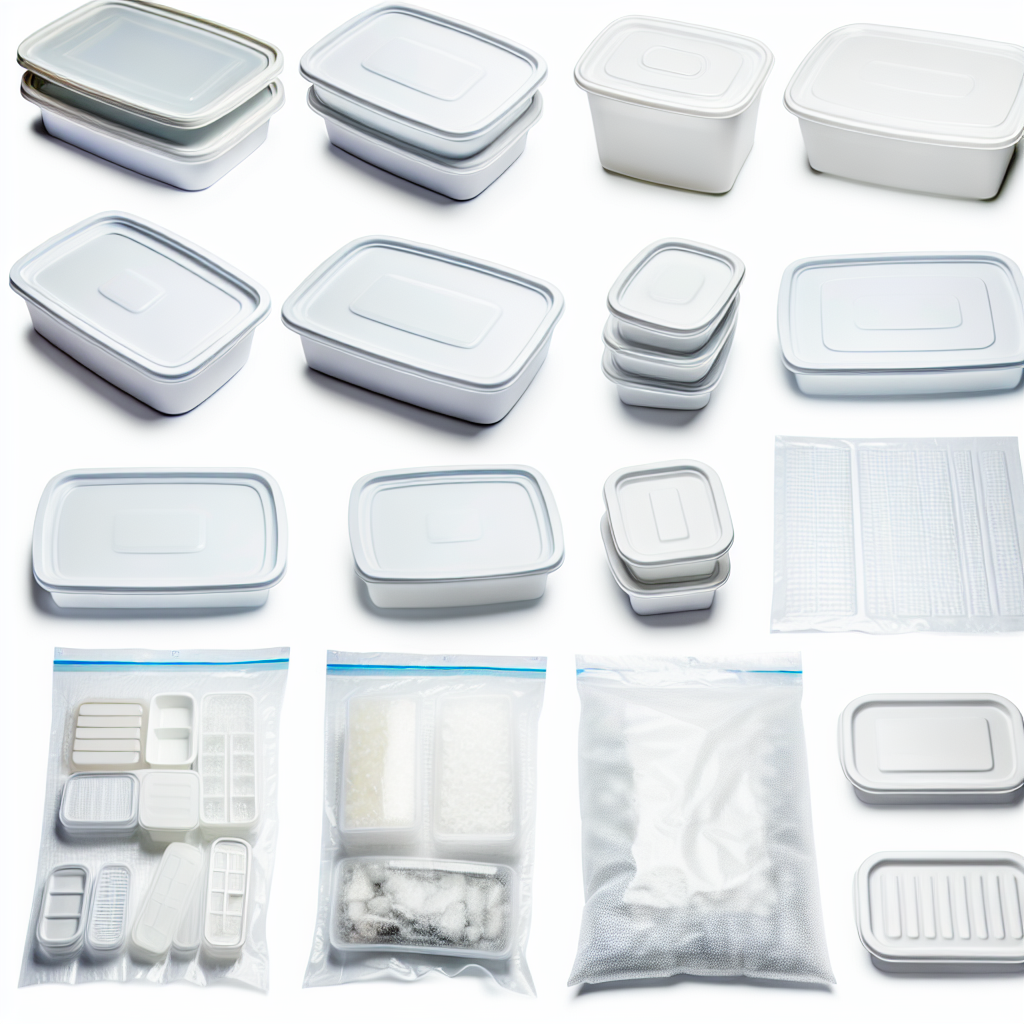
Rigid containers: Glass or plastic containers with airtight lids. Perfect for liquids and prepared foods.
Storage Duration Guidelines
Even properly wrapped food gradually loses quality. Follow these guidelines for optimal taste and texture:
Cooked dishes: 2-3 months
Ground meat: 3-4 months
Poultry pieces: 6-9 months
Beef, pork, lamb: 4-12 months (depending on cut)
Fish: 3-6 months
Vegetables: 8-12 months
Fruits: 8-12 months
Temperature Consistency
Maintain your freezer at 0°F (-18°C) or below. Temperature fluctuations accelerate freezer burn formation.
Minimize door opening. Each time the door opens, temperature rises slightly, creating conditions for freezer burn.
Don't overpac. Air circulation is essential for maintaining consistent temperature throughout the freezer.
Identifying Freezer Burn
Look for: greyish-brown discolored patches on meat, ice crystals on food surfaces, dry or tough texture, whitish spots on fruits and vegetables.
Freezer-burned food is safe to eat. Simply cut away affected portions before cooking. However, quality is compromised, so prevention is always better than cure.