Regular Cleaning Schedule
Monthly quick clean: Wipe door seals and handles. Check for spills and clean immediately. Verify temperature is consistent at 0°F (-18°C).
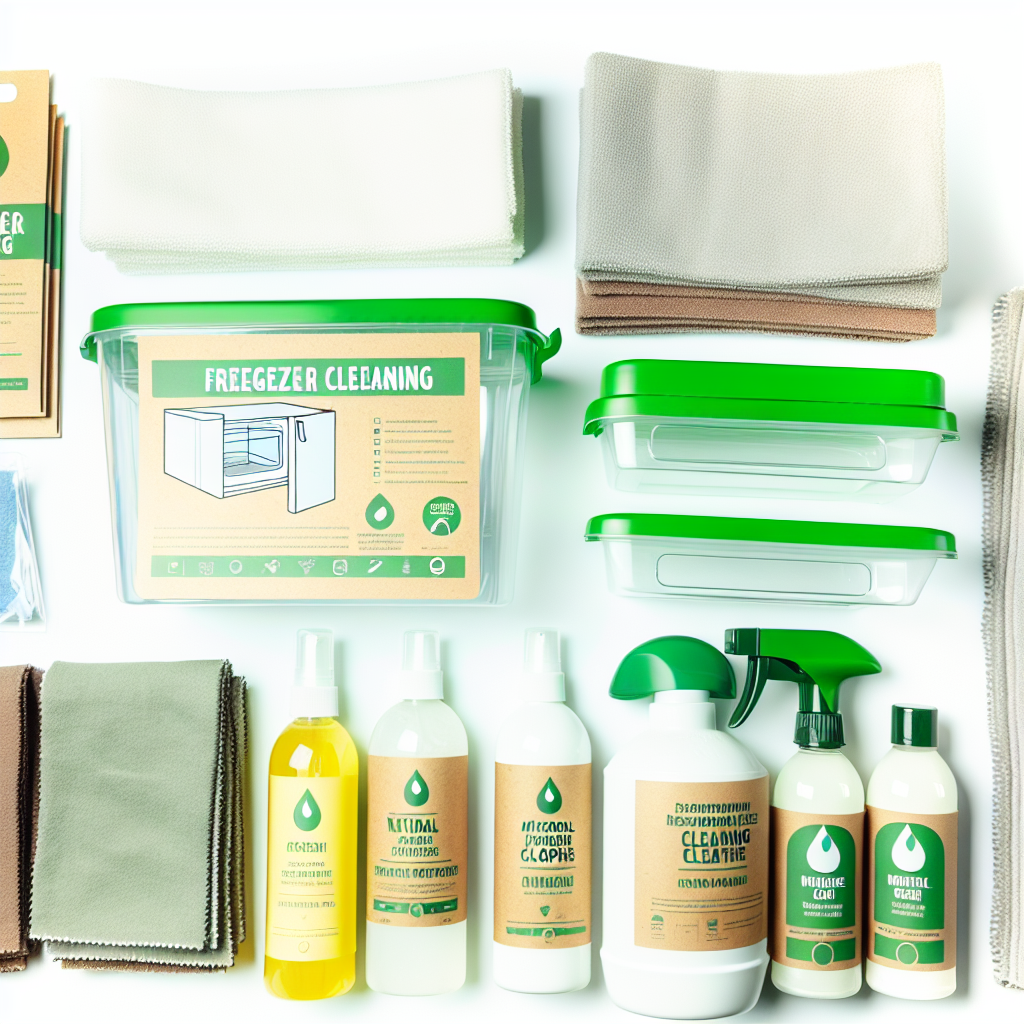
Quarterly deep clean: Remove all items. Clean interior surfaces with baking soda solution (1 tablespoon per litre of warm water). Wipe dry completely before restocking.
Annual maintenance: Vacuum coils if accessible. Check door seals for wear. Test temperature accuracy with thermometer.
Defrosting Your Freezer
Manual defrost freezers need defrosting when ice buildup exceeds 1/4 inch (6mm). This typically occurs every 6-12 months.
Preparation: Plan ahead. Use up frozen items or transfer to coolers with ice packs. Turn off and unplug the freezer.
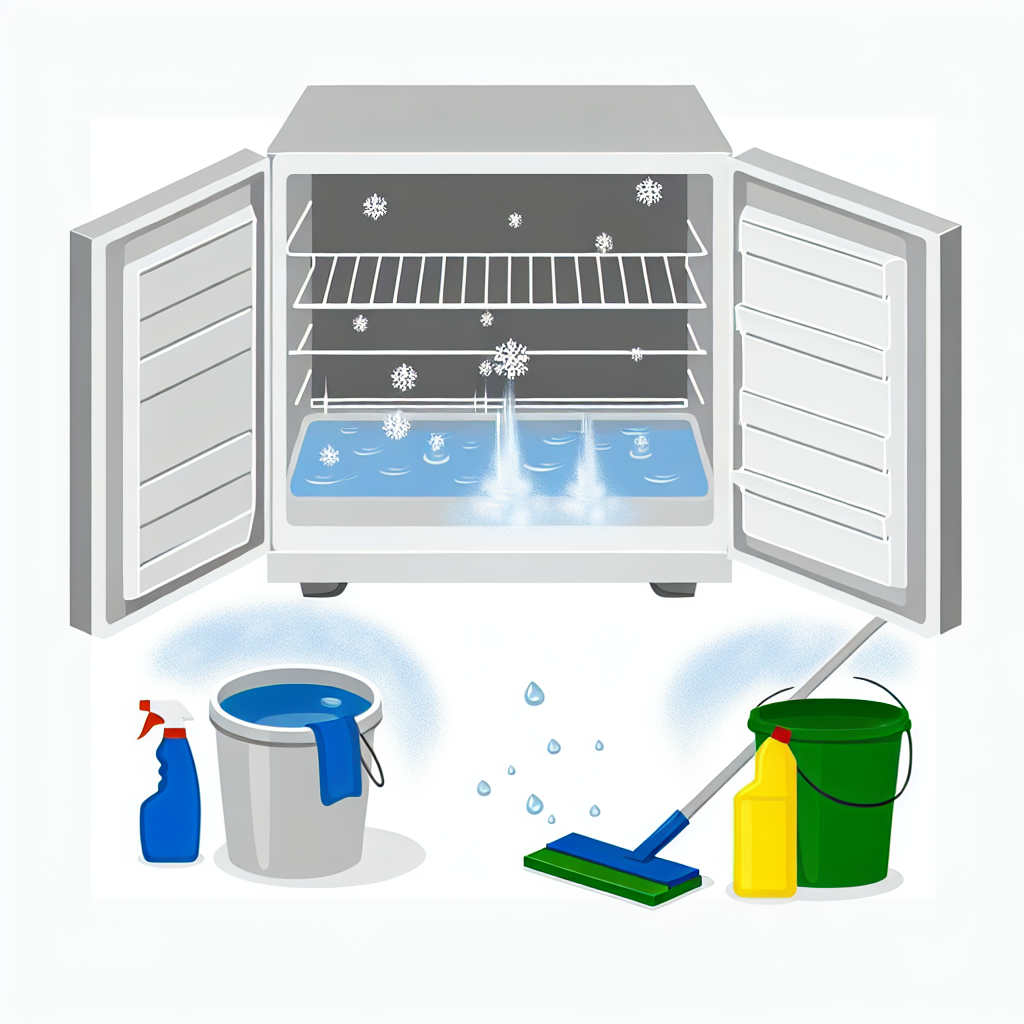
Defrosting process: Leave door open. Place towels at base to absorb water. Never use sharp objects to chip ice. Let it melt naturally or speed up with bowls of hot water placed inside.
Final steps: Once melted, clean thoroughly, dry completely, plug in, and allow to reach proper temperature before restocking.
Temperature Monitoring
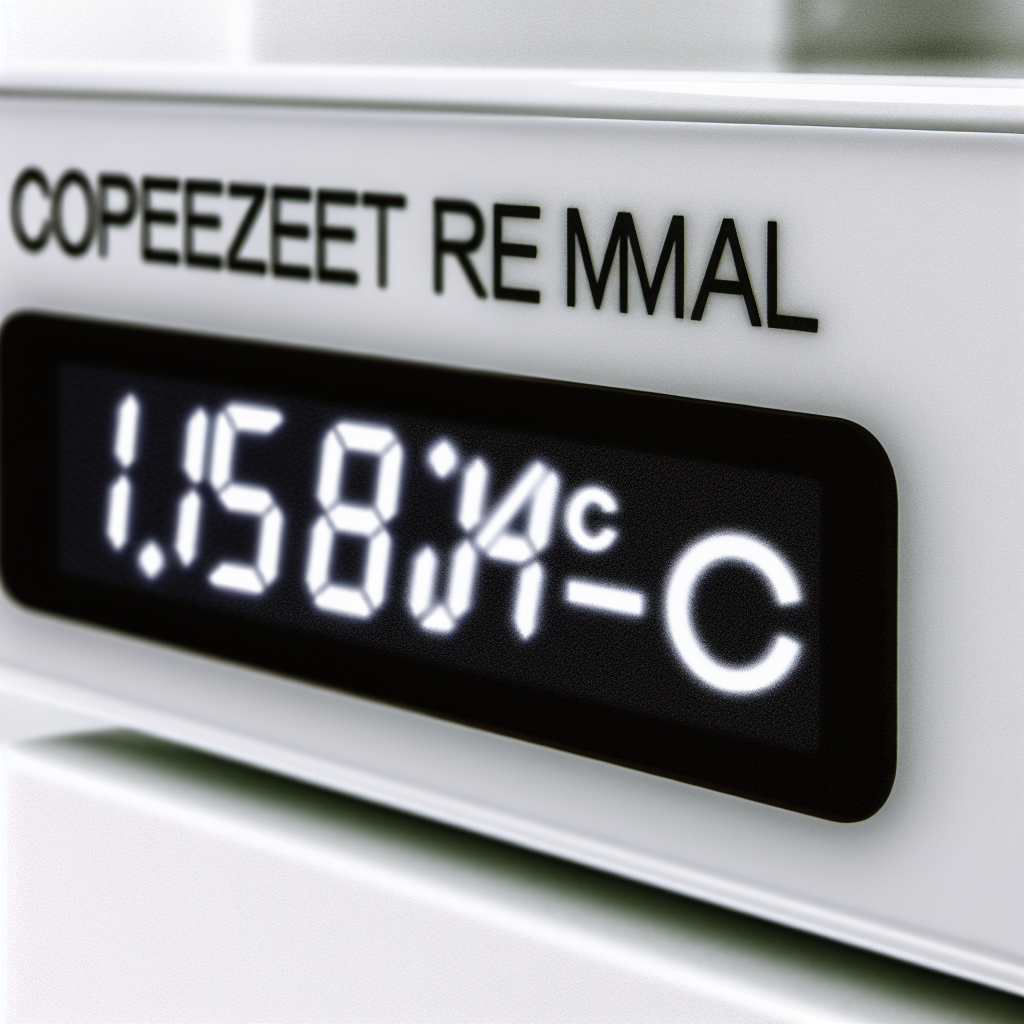
Proper temperature is critical for food safety. Your freezer should maintain 0°F (-18°C) or below.
Check regularly: Use a freezer thermometer to verify temperature. Built-in displays can become inaccurate over time.
Adjust as needed: If temperature rises, check door seals, ensure vents aren't blocked, and verify the freezer isn't overpacked.
Energy Efficiency Tips
Keep freezer 75-85% full for optimal efficiency. Empty space requires more energy to keep cold.
Minimize door opening. Each time you open the door, cold air escapes and the compressor must work harder.
Position away from heat sources. Don't place near ovens, dishwashers, or in direct sunlight.
Allow air circulation around the unit. Leave space between the wall and freezer for proper airflow.
Check door seals. Close door on a piece of paper. If you can pull it out easily, seals need replacing.
Troubleshooting Common Issues
Excessive frost buildup: Check door seal. Ensure door closes properly. Reduce frequency of opening.
Unusual noises: Level the freezer properly. Check that nothing is touching the compressor. Verify fan isn't blocked.
Temperature fluctuations: Don't overload. Ensure proper air circulation. Check that vents aren't blocked by items.
Freezer burn on food: Improve wrapping techniques. Remove excess air from bags. Use proper freezer-safe containers.
Extending Appliance Life
Proper maintenance extends your freezer's lifespan significantly. Regular cleaning, avoiding overpacking, maintaining proper temperature, and prompt attention to issues prevent major problems.
Most quality freezers last 10-20 years with proper care. The effort you invest in maintenance pays back in reliability and lower energy costs.