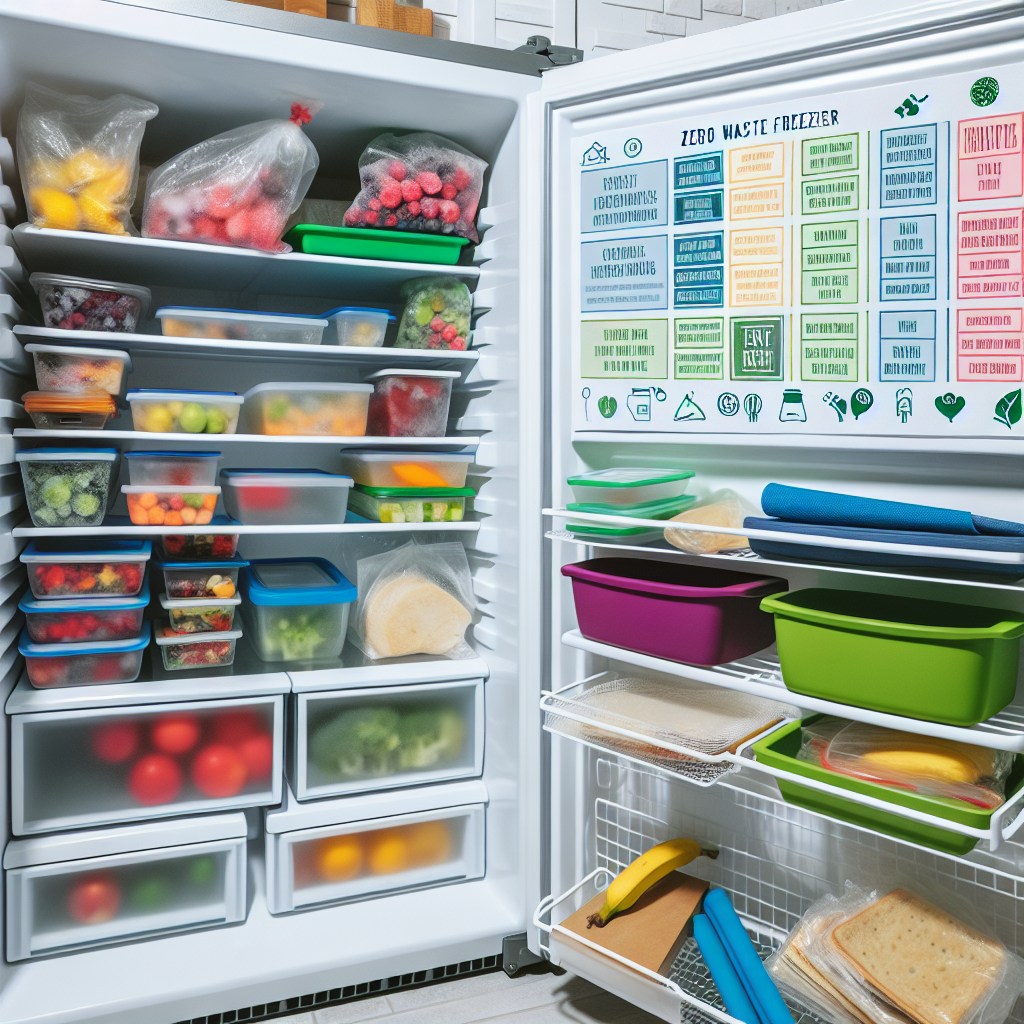
Your Freezer as a Waste-Prevention Tool
The freezer is one of the most powerful tools for reducing household food waste. Used strategically, it preserves food at peak freshness, preventing the spoilage that sends millions of tonnes to landfills annually.
Every item you freeze instead of discarding represents saved money, reduced environmental impact, and better resource use.
Freeze Before It's Too Late
Ripe produce: Don't let bananas turn brown on the counter. Peel and freeze them for smoothies. Berries past their prime? Freeze for baking or smoothies.
Bread going stale: Slice and freeze immediately. Thaw individual slices as needed.
Herbs wilting: Chop and freeze in oil in ice cube trays. One cube equals one tablespoon for cooking.
Leftover wine: Freeze in ice cube trays for cooking. Add to sauces and stews.
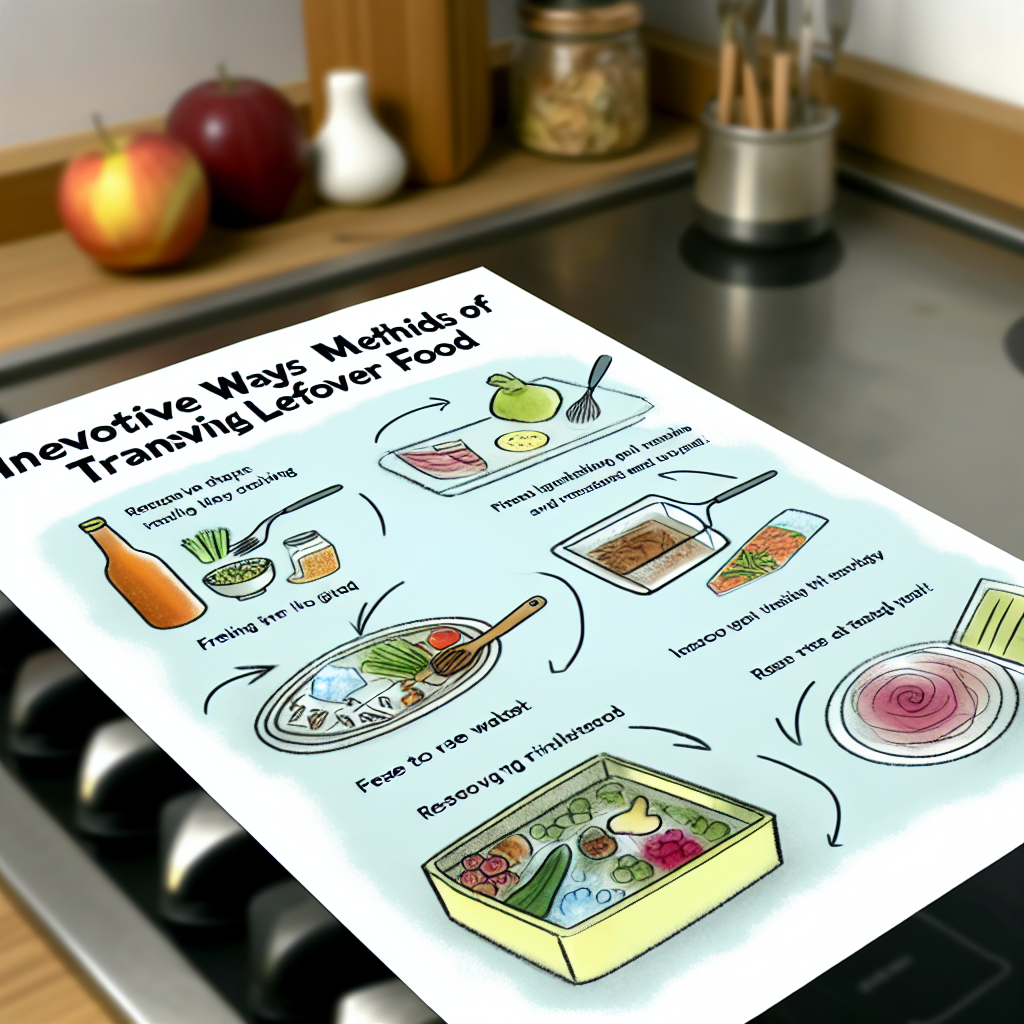
Creative Leftover Storage
Cooked rice and grains: Freeze in portions. Reheat for quick fried rice or grain bowls.
Tomato paste: Freeze tablespoon-sized portions on parchment. Transfer to bag once frozen. Use as needed.
Stock and broth: Save vegetable scraps, chicken bones, meat trimmings. Freeze until you have enough to make stock.
Citrus zest: Zest lemons and limes before juicing. Freeze zest for future use.
Coffee: Freeze leftover brewed coffee in ice cube trays for iced coffee.
Reusable Storage Solutions
Silicone bags: Replace disposable freezer bags with reusable silicone versions. Washable, durable, and significantly reduce plastic waste.
Glass containers: Freezer-safe glass eliminates plastic entirely. More expensive initially but lasts decades.
Repurpose containers: Clean takeaway containers and jars work perfectly for freezer storage.

Seasonal Preservation
Buy produce at peak season when it's abundant and affordable. Freeze for use throughout the year.
Summer berries: Freeze in single layers, then bag. Enjoy berry smoothies in winter.
Autumn apples: Slice and freeze for pies and crisps year-round.
Spring vegetables: Blanch and freeze asparagus, peas, and green beans.
Meal Planning to Reduce Waste
Plan meals around what you have frozen. Regular freezer audits ensure nothing is forgotten.
Batch cook when you have excess ingredients. Made too much pasta? Freeze half for another night.
Bought too much fresh produce? Process and freeze immediately rather than watching it spoil.
Scrap Collection for Stock
Keep a bag in your freezer for vegetable scraps: onion skins, celery ends, carrot peels, herb stems, mushroom stems.
When the bag is full, simmer scraps in water for homemade vegetable stock. Cost: nearly zero. Waste: eliminated.
Measuring Your Impact
Track for one month how much food you save from disposal through freezing. Calculate the financial saving. Most households save £30-60 monthly by freezing strategically.
Beyond financial benefit, consider the environmental impact. Every kilogram of food waste prevented reduces methane emissions from landfills.