Portioning Methods Guide
Freeze food in practical portions that match your lifestyle
Why Portioning Matters
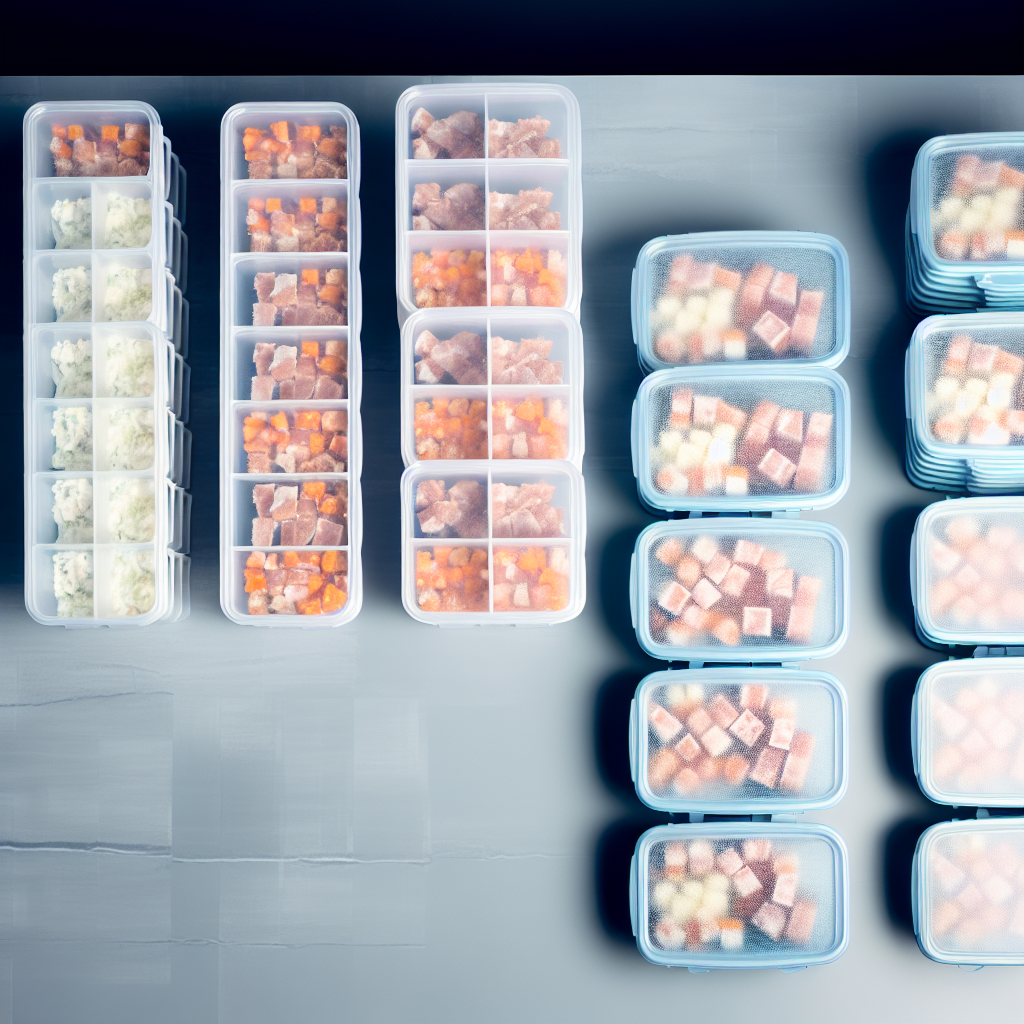
Proper portioning is the key to efficient freezer use. When you freeze food in appropriate portion sizes, you avoid waste, save time, and make meal planning effortless.
Consider this: freezing a large batch of soup as one solid block means you must thaw the entire amount, even if you only need one serving. Freeze it in individual portions, and you can thaw exactly what you need.
Portion Size Guidelines
Individual Servings
- Main dishes: 300-400g per portion
- Soups and stews: 350ml per serving
- Cooked grains: 150-200g per portion
- Meat portions: 150-200g per person
Couple Portions
- Main meals: 600-800g total
- Casseroles: 2-3 cup capacity
- Side dishes: 300-400g total
- Desserts: 2 servings per container
Family Portions
- Family of 4: 1.2-1.6kg per meal
- Large batches: Consider 2 smaller containers instead of 1 large
- Side dishes: 600-800g portions
- Flexibility for leftovers or guests
Portioning Techniques by Food Type
Liquids (Soups, Sauces, Stocks)
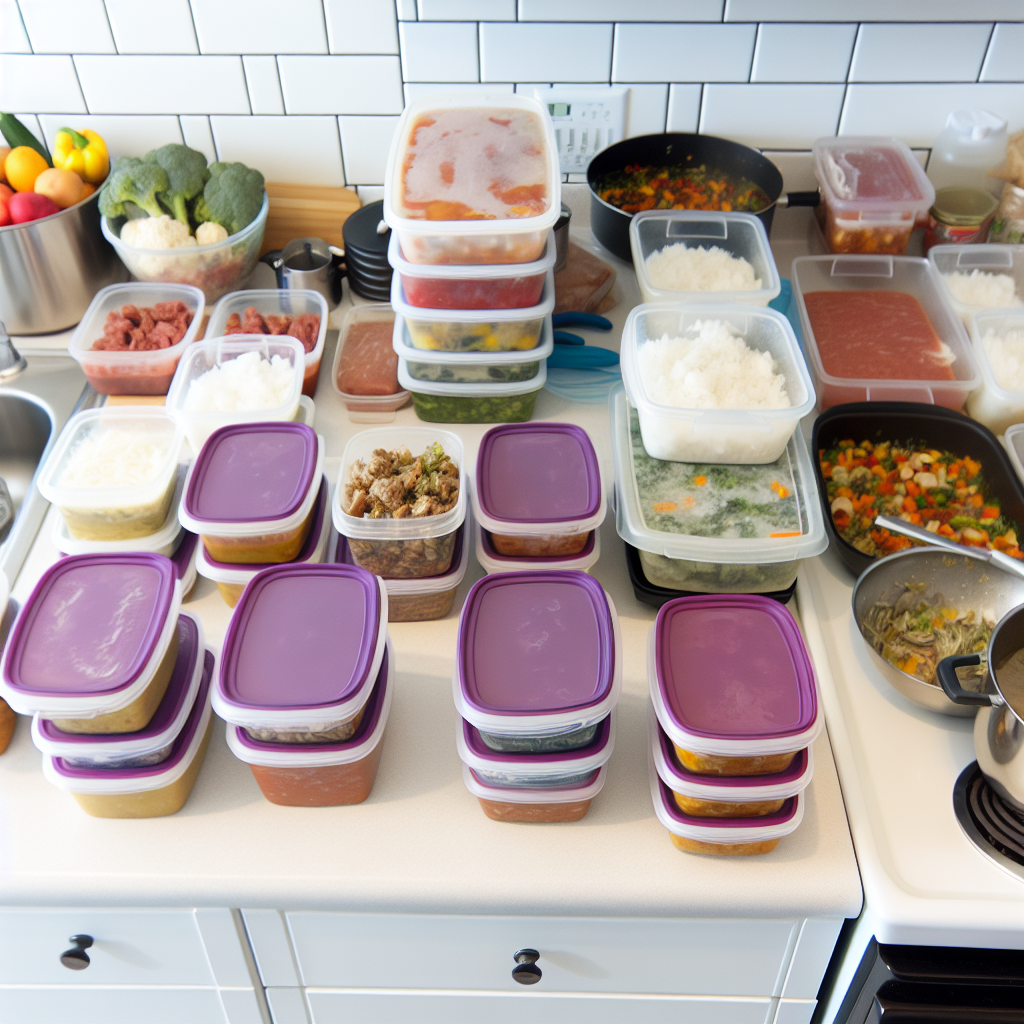
Liquids are easiest to portion before freezing. Use measuring cups or a kitchen scale for accuracy.
- • Individual containers: Fill each with one serving (350-500ml)
- • Muffin tins: Freeze stock in muffin tins, then transfer cubes to bags
- • Leave headspace: Liquids expand when frozen - leave 2-3cm at the top
- • Flat bags: Freeze soups flat in zip-lock bags for space efficiency
Meats and Fish
Portion raw proteins based on your typical meal sizes before freezing.
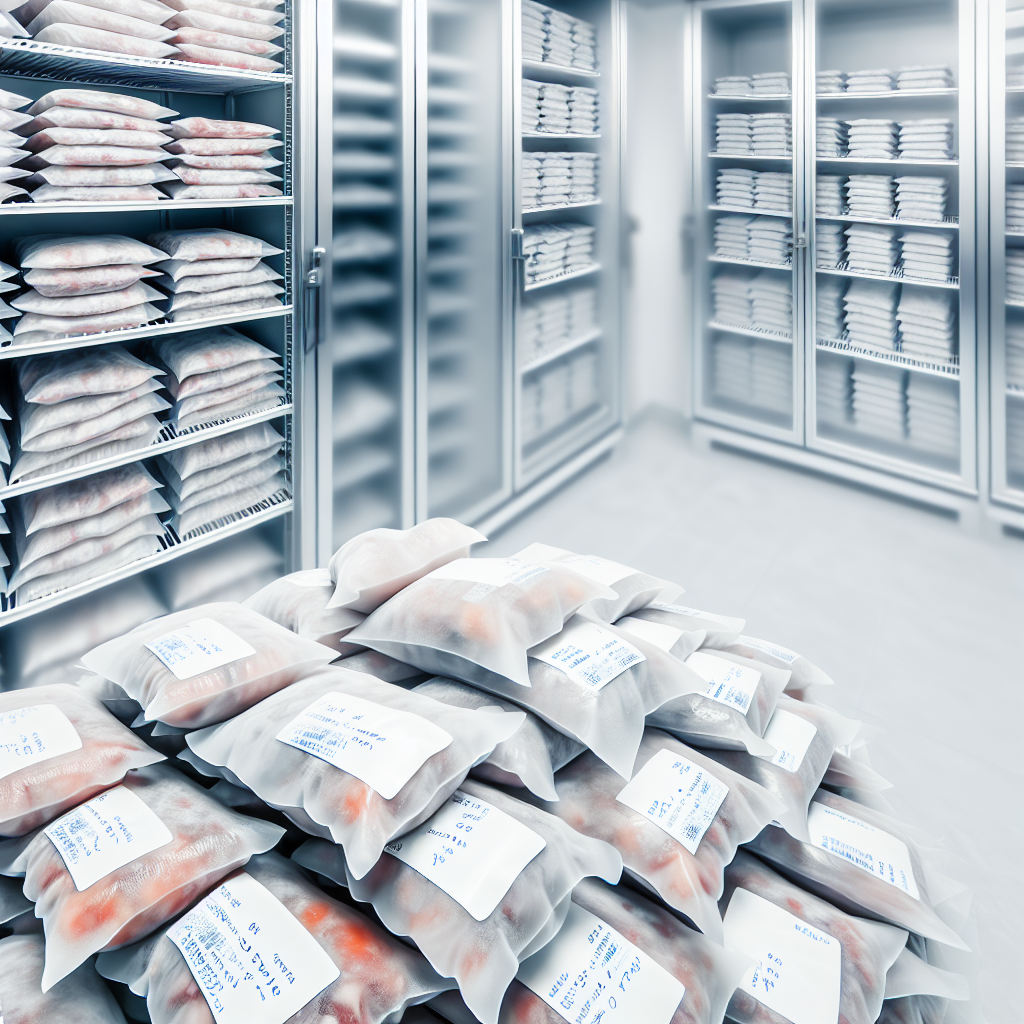
- • Individual steaks or chicken breasts: Freeze separately with parchment between
- • Minced meat: Divide into 500g portions in separate bags
- • Fish fillets: Wrap individually before placing multiple in one container
- • Bacon: Separate slices with parchment paper for easy removal
Pro Tip:
Flash freeze individual items on a baking tray for 1-2 hours before bagging. This prevents them sticking together, allowing you to remove just what you need.
Cooked Meals
Batch cooking is most effective when meals are portioned before freezing.
- • Use uniform containers: Same-sized containers stack better and thaw consistently
- • Cool before portioning: Let food reach room temperature before dividing
- • Separate components: Keep rice separate from curry for better texture
- • Consider reheating: Portion sizes should fit your microwave or oven dishes
Vegetables and Fruits
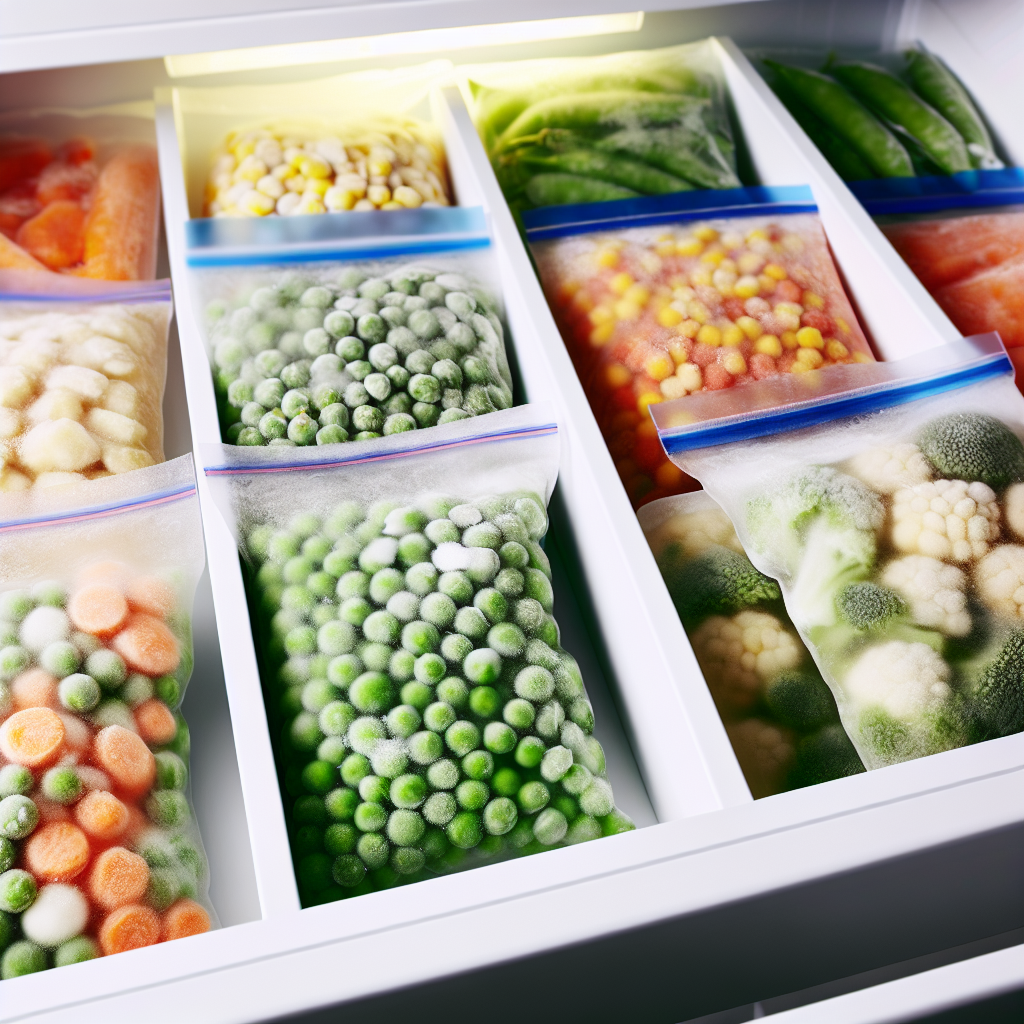
Portion fresh produce based on typical recipe requirements.
- • Blanched vegetables: Portion in 200-300g amounts for side dishes
- • Chopped vegetables for cooking: Store in recipe-sized portions
- • Berries and fruit: 150-200g portions perfect for smoothies
- • Herbs: Freeze in ice cube trays with oil (1 cube = 1 tablespoon)
Batch Cooking and Portioning Workflow
Make portioning part of your batch cooking routine:
- Cook in bulk: Prepare double or triple recipes
- Cool properly: Let food cool to room temperature
- Prepare containers: Have clean, labeled containers ready
- Portion accurately: Use measuring cups or scales
- Seal properly: Remove excess air to prevent freezer burn
- Label immediately: Include contents, date, and serving size
- Freeze promptly: Get portions into freezer within 2 hours
Space-Efficient Portioning
Maximize freezer space with smart portioning techniques:
- → Flat freezing: Freeze bags flat, then stack vertically like files
- → Square containers: Better space utilization than round ones
- → Uniform sizes: Use same-sized containers for efficient stacking
- → Portion before freezing: Easier than trying to break apart frozen food